Local mom-and-pops are embracing AI food slop, and residents are revolting
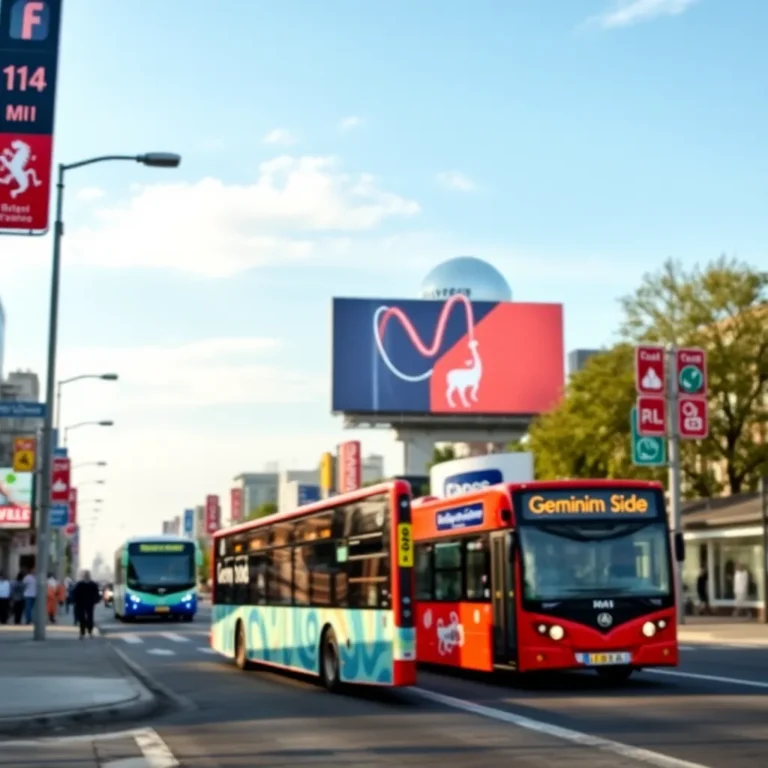
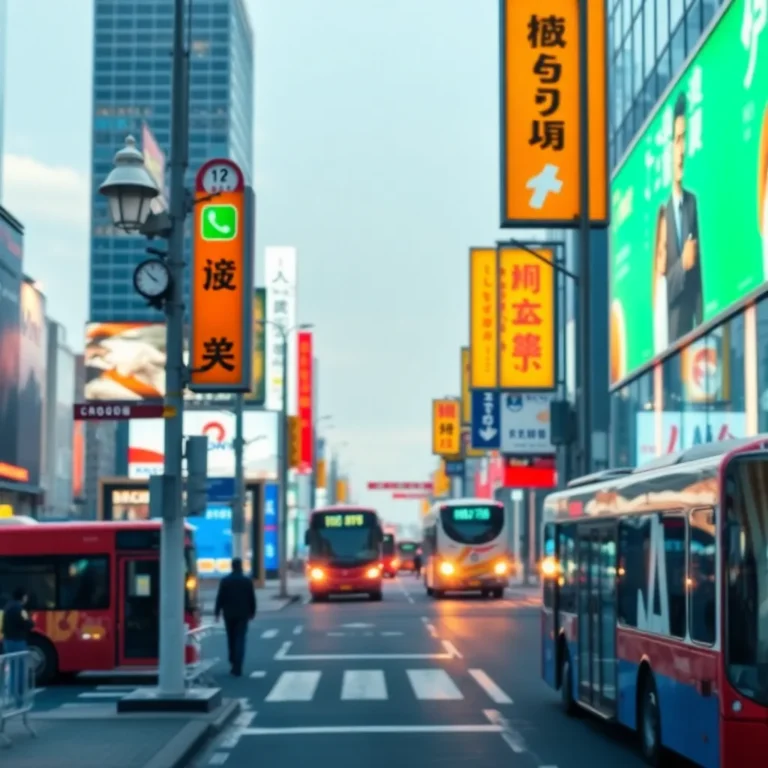
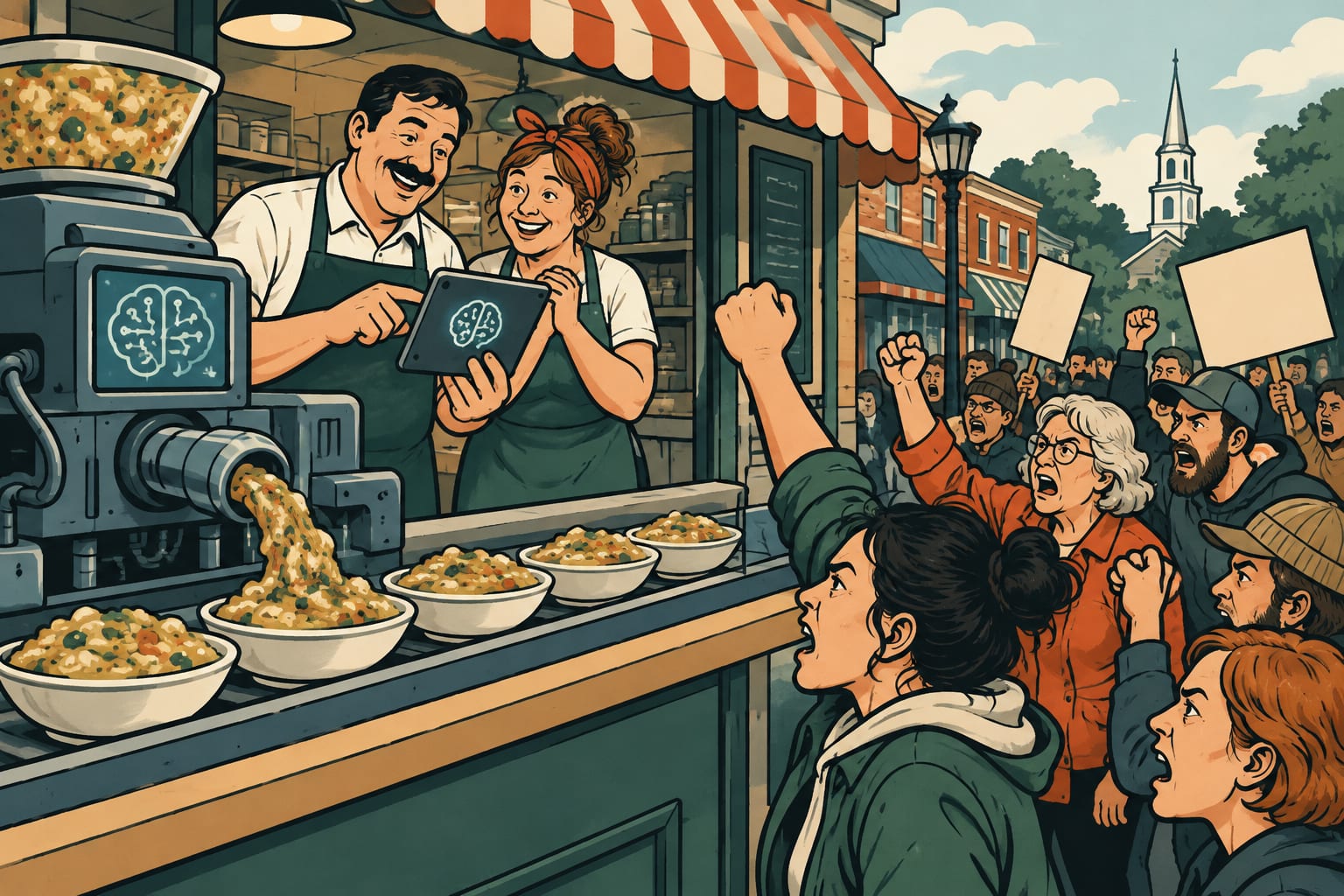
Small restaurants and neighborhood eateries across the country are turning to AI-generated images to advertise their food, and the backlash is loud. According to a report from The Washington Post, local mom-and-pop shops have started posting AI-generated pictures of dishes, menus and promotions online, and residents are pushing back hard against what critics are calling "AI food slop."
The basic shape of the story is easy to read at a glance. A small business owner, likely working without a marketing budget or a photographer on call, turns to a free or cheap AI image generator to produce something that looks like a burger, a pizza, a plate of dumplings. It gets posted to a storefront window, a delivery app listing, or a social feed. Customers notice the uncanny gloss, the slightly wrong proportions, the food that looks almost real but not quite, and they call it out. The reaction isn't quiet appreciation for ingenuity. It's revolt.
The part most coverage will miss
The headline frames this as a simple clash between cheap AI shortcuts and annoyed customers, but the detail worth sitting with is who is doing the embracing. This isn't a story about large chains running algorithmically generated ad campaigns with teams of marketers testing engagement metrics. It's mom-and-pop shops, the same small operators who have spent years being told to get online, build a social presence and compete with bigger players on a shoestring. AI image tools were sold to exactly this audience as the great equalizer, the thing that would let a single owner with a smartphone and no design budget look as polished as a franchise down the street.
The irony buried in the one-line summary is that the tool marketed as help for the little guy is the thing turning his own customers against him. The backlash isn't aimed at a faceless corporation experimenting with automation. It's aimed at the family-run spot on the corner, the kind of business the AI slop criticism is usually not pointed at, because it's assumed small businesses can't afford to be accused of replacing humans with machines. That assumption is exactly what's being tested here.
Analysis (opinion)
This site's lead analyst, who makes a habit of looking for the angle the rest of the coverage walks past, reads this less as a story about AI in restaurants and more as a story about trust running out faster than technology can replace it. The facts on the page support that reading: these are small, local businesses, the AI images are being called "slop" rather than innovation, and the response is described as a revolt, not mild grumbling. That combination suggests the issue isn't the technology itself but the mismatch between what a neighborhood expects from its mom-and-pop shop and what an AI-generated image signals about effort and honesty.
A framed photo of a real burger on a diner wall says somebody made this. An AI-rendered version of that same burger says something was generated to look like this. For a small business whose entire value proposition rests on being local, personal and not corporate, that distinction may matter more than it would for a chain. The analyst's read is that this backlash isn't really about image quality. It's about customers feeling like the one thing immune to automation, the person actually cooking their food, just got a little less certain.
To be fair, the business side of this is not hard to understand. Professional food photography is expensive, and small operators often don't have the time, equipment or skill to make a plate of food look appetizing on a phone camera. An AI-generated image, however imperfect, can look more polished than a dim, blurry phone photo snapped in a rush between orders. For an owner trying to compete with better-funded chains on the same delivery apps, the tool looks less like a shortcut and more like survival.
What readers should be asking now
The real question isn't whether AI-generated food images look fake. People can live with imperfect photos. The question is what happens to the trust a mom-and-pop shop depends on once customers start wondering what else in that storefront isn't quite what it claims to be.
Source: The Washington Post
Catch up on our earlier post: Google Joins OpenAI and Anthropic in Supporting New AI Scraping Controls