
Who’s Suing AI and Who’s Signing: USA Today Co Joins the List Against OpenAI
USA Today Co has filed suit against OpenAI, according to Press Gazette's ongoing tracker of news publishers suing or signing deals with artificial intelligence companies. The move places USA Today Co's parent company, Gannett, alongside a growing roster of publishers who have decided that litigation, not licensing, is the right response to generative AI's use of their journalism.
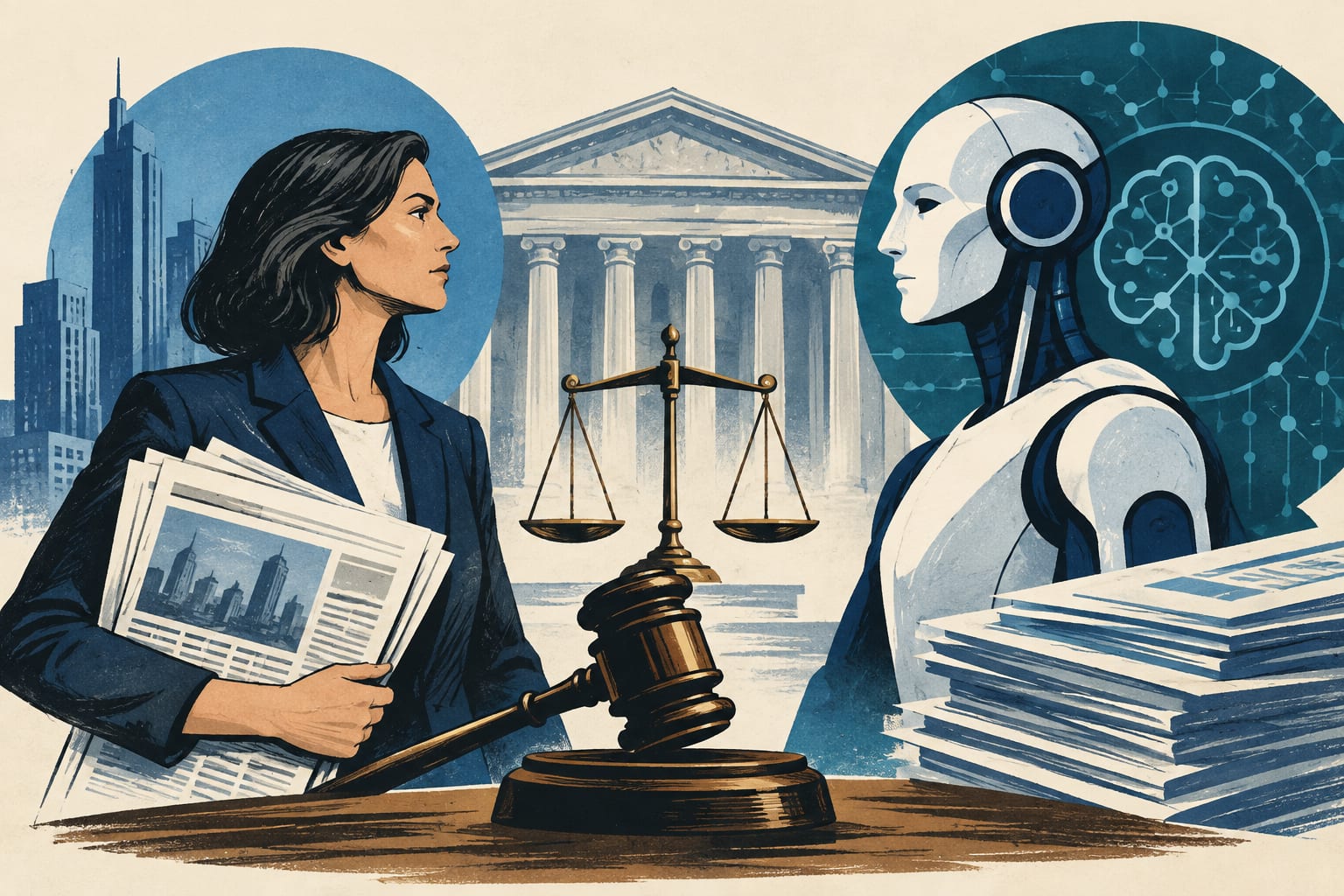
The basic shape of the story is familiar by now. A major news publisher believes its content has been used without permission or compensation to train or power an AI product, and it goes to court rather than to the negotiating table. OpenAI, the maker of ChatGPT, has become the most frequent target of these suits, in part because it is the most visible and commercially successful generative AI company, and in part because its models have repeatedly been shown reproducing or closely paraphrasing copyrighted news text. The case joins a list that Press Gazette has been tracking as the industry splits into two camps: publishers who sue, and publishers who sign commercial licensing agreements instead.
The part most coverage will miss
What the headline and summary actually tell us is narrow: USA Today Co has sued OpenAI, and this sits within a wider tracker of who is suing and who is signing deals in the news-publisher-versus-AI fight. The source does not give a filing date, a court, specific claims, a dollar figure, or any statement from either company. It does not say whether this is a new, standalone case or part of a consolidated action. It also does not specify whether USA Today Co is acting alone or alongside other Gannett-owned titles.
That gap matters more than it might seem. Press Gazette's framing as a running list, "who's suing and who's signing," is itself a signal worth noticing. It implies the publishing industry has not settled on a single strategy. Some outlets are choosing confrontation, betting that courts will eventually force AI companies to pay for training data after the fact. Others are choosing negotiation, taking payment now in exchange for allowing their archives to be used. The existence of a tracker, rather than a single narrative, tells you the industry itself hasn't decided which bet is smarter.
Analysis (opinion)
This site's view is that the lawsuit itself is less interesting than the split it represents. The analyst behind this site has spent months watching which publishers sue and which sign, and the pattern that jumps out is not ideological, it is structural. Publishers with the deepest archives and the strongest standalone brand, the ones with leverage, tend to litigate. Publishers without that leverage tend to sign, because a modest licensing check now beats years of legal fees and an uncertain result later. A company the size of Gannett, with a vast daily output and a recognizable national brand in USA Today, has more to gain from forcing a legal precedent than a smaller regional operator does. If that pattern holds, this lawsuit is less a moral stand than a calculated move by a publisher with enough scale to afford the fight and enough leverage to think it can win.
The other side
It is worth saying plainly that OpenAI and other AI developers have consistently argued their training methods fall under fair use, and several publishers have reached commercial agreements with these same companies rather than suing them, suggesting licensing deals are seen by at least part of the industry as a workable and preferable path forward.
The question to ask now
The real question isn't whether USA Today Co wins or loses this case. It's whether the growing list of lawsuits will eventually force a single industry-wide standard for how AI companies pay for news content, or whether the current split, some publishers suing while others sign deals, becomes the permanent, uneven state of the relationship between journalism and artificial intelligence.
Publishers often weigh seo relevant keywords backlinks ai traffic against the value of their content when deciding whether to license it to AI companies.
Source: Press Gazette
Missed the last one? Most Americans Think AI Is Moving Too Fast, New Poll Finds