AI-generated candidates in Pa. campaign ads spark debate over disclosure
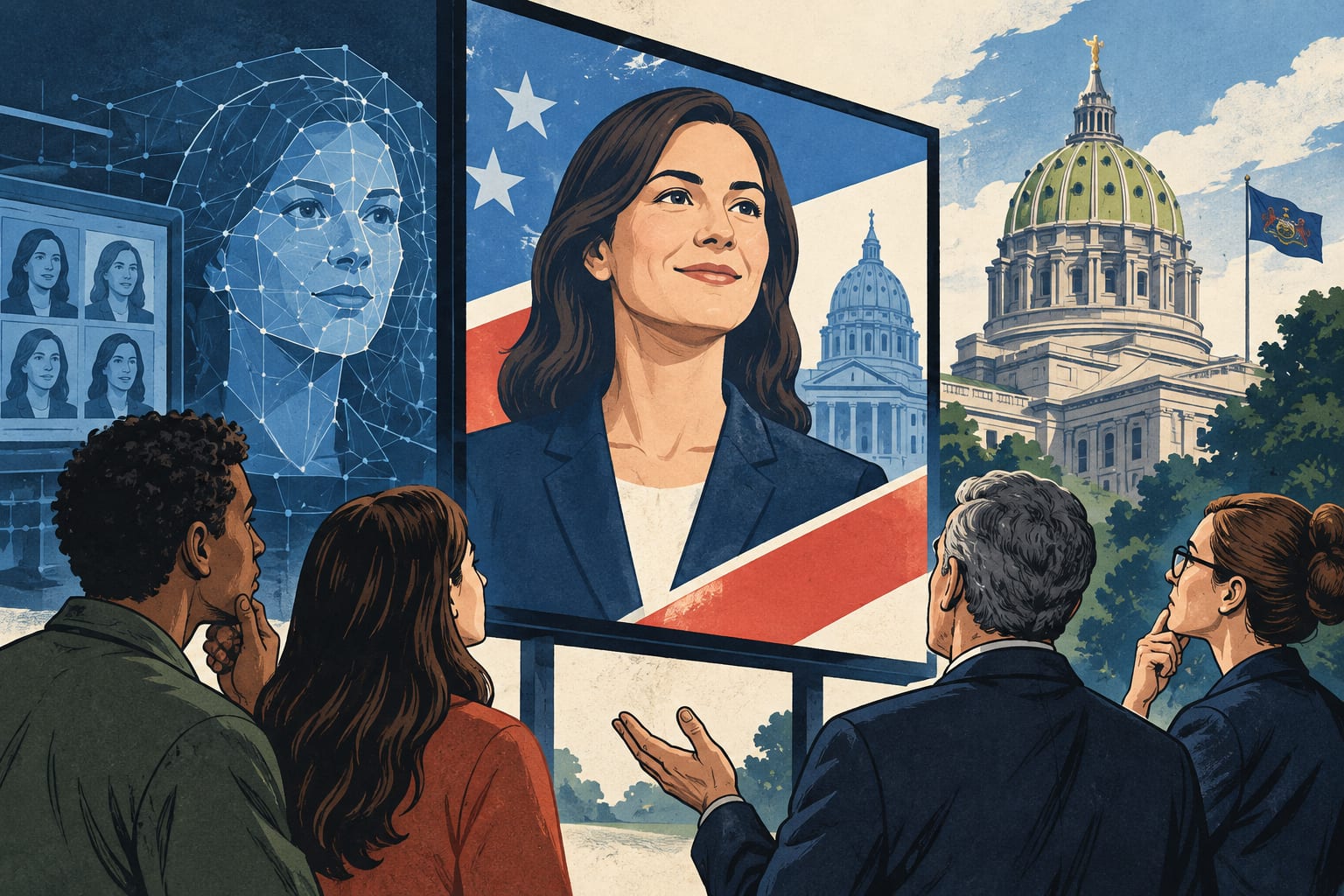
Pennsylvania voters are now watching campaign ads that may not feature the candidates at all, at least not in the way they assume. According to reporting from WGAL, AI-generated candidates are showing up in political advertisements across the state, and it's forcing a debate over whether voters have a right to know when the person speaking to them on screen isn't real, or isn't real in the moment they're seeing.
The basic story here is straightforward. Campaigns have access to generative AI tools that can create video and audio of a candidate saying things, appearing places, or delivering messages that were never actually filmed or recorded in that form. WGAL's reporting frames this as a disclosure problem: the technology has outpaced the rules, and Pennsylvania is grappling with whether current law requires campaigns to label this content as AI-generated so voters aren't misled about what they're watching.
The part most coverage will miss
The headline framing treats this as a single controversy, but the summary points to something narrower and more interesting: this is specifically a disclosure debate, not necessarily a fraud or deception debate. That distinction matters. The question WGAL frames isn't whether AI-generated candidates are inherently deceptive, but whether the absence of a disclosure label is the problem. That's a regulatory and procedural fight, not just an ethical one, and it suggests the likely battleground is legislative or regulatory, over labeling requirements, rather than a courtroom fight over false advertising.
It's also worth noting what the source does not say. There's no indication in the available reporting of which candidates, parties, or races are involved, no specifics on what the AI-generated content actually depicted, and no detail on whether any enforcement action or legislation has been introduced. The story as summarized is about the emergence of a debate, not its resolution. That gap is exactly where speculation tends to fill in details that haven't been reported, and it's worth resisting that temptation here.
Analysis (opinion)
This site's approach to political tech stories has always been to ask what the obvious reading leaves out, and here the obvious reading is "AI deepfakes threaten elections." That's not wrong, but it's incomplete. Our analyst, who makes a habit of finding the angle other outlets skip past, would point out that disclosure debates almost never stay contained to the specific ads that sparked them. Once a state starts drafting rules for AI-generated campaign content, those rules tend to sweep in a much broader category: stock AI narration, AI-assisted editing, even routine video enhancement that campaigns have used for years without controversy. The fight over "do we need a label" quickly becomes a fight over "what counts as AI-generated at all," and that definitional battle is where the real consequences will land, not in the ad that happens to be making news this week.
The other angle worth watching is enforcement. A disclosure requirement without a credible enforcement mechanism is a suggestion, not a rule. If Pennsylvania moves toward requiring labels on AI-generated campaign content, the question that actually matters is who checks, who penalizes, and how fast, because campaign ads have short shelf lives and elections don't wait for complaints to work through a process.
The other side
Campaigns and ad makers have a reasonable counterargument here too. Political advertising has always used editing, dramatization, and persuasive technique that doesn't literally replicate reality, from stock footage to voiceover narration to stylized reenactments, and none of that has traditionally required a disclaimer. Some in the industry will argue that singling out AI-generated content for special labeling treats a new tool differently than older ones that served similar persuasive functions, and that overly broad disclosure mandates could create compliance burdens or chilling effects on legitimate ad production without meaningfully protecting voters.
What to ask now
The question Pennsylvania voters, and really voters anywhere watching this unfold, should be asking is not whether AI showed up in a campaign ad. It almost certainly will, more and more, in every state. The question is who decides where the line sits between legitimate production technique and material deception, who enforces that line once it's drawn, and how quickly that enforcement can actually happen before an election, rather than after one.
Source: WGAL
Read our previous article: Trump Wants to Ban Use of the Term 'Artificial Intelligence' and 'AI'