Anthropic Finally Signs a Publisher Deal, and the AP Gets There First
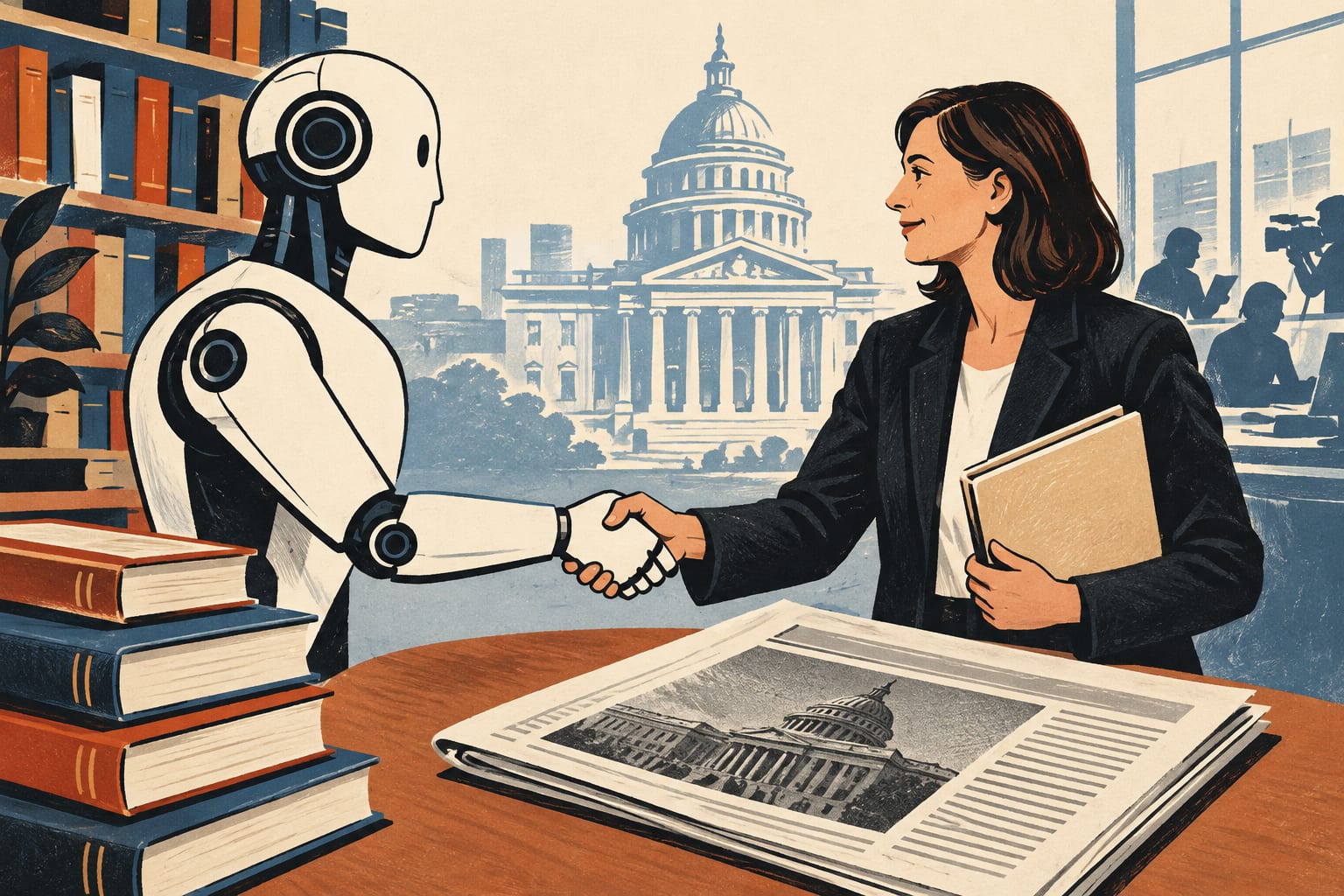
Anthropic has struck its first content licensing deal with a digital publisher, and the counterparty is the Associated Press. The agreement, reached just before the midterm elections according to two people familiar with the matter, gave Claude users access to up-to-the-minute AP election reporting and data, attributed to the AP, on Election Night. Neither Anthropic nor the AP would confirm details on the record. Anthropic did not respond to a request for comment, and the AP declined to comment for attribution. The financial terms of the deal, and even its duration, were not disclosed by either side.
The news matters because of what it breaks with. Until this deal, Anthropic had not signed a single content licensing agreement with any digital publisher, a notable holdout position in an industry where its chief rival has been doing the opposite at scale. OpenAI has inked more than a dozen such deals, with publishers including Axel Springer, News Corp. and The Atlantic. Anthropic's abstinence had become enough of a talking point in media circles that it was the subject of a dedicated piece back in August, built on conversations with digital media executives who said the company genuinely believed its scraping and use of publisher content was protected under fair use.
The part most coverage will miss
The deal did not happen in a vacuum. Publishers have been blocking Anthropic's crawlers, along with those of other answer engines, as a deliberate tactic, something close to a digital embargo, meant to force AI firms to the negotiating table. Without access to premium publisher websites, Anthropic's Claude was limited to what AI researcher Deana Burke calls the "unlocked web," a category of lower-credibility sources that might suffice for casual queries but cannot tell a user who just won a Senate seat. That left Anthropic facing the real possibility that its chatbot would look badly outmatched on one of the highest-traffic information days of the year. The AP, notably, was not a random first pick: it was also the first publisher to sign licensing deals with both Google and OpenAI, and the bulk of its revenue already comes from licensing and wire arrangements with other outlets, making it a natural test case for any AI company dipping a toe into these waters.
Analysis (opinion)
This looks less like a strategic reversal and more like Anthropic running a controlled experiment, and that is the angle worth sitting with rather than the headline alone. The AP is, by design, the least controversial publisher an AI company could choose: it brands itself as a neutral information service, closer to a Getty Images for news than an outlet with editorial positioning, which makes it a low-risk partner for testing whether licensed, real-time content actually improves an answer engine's performance. An analyst looking for the angle everyone else is chasing past would note that the real signal isn't the AP tie-up itself, it's the timing, landing just as Anthropic prepares for a public offering and just as its product faced a credibility test it could not pass on unlocked-web data alone. The deal is best read as a data-gathering exercise: Anthropic now gets to measure whether paying for premium, timely reporting meaningfully changes user trust and engagement, before deciding whether it wants to build out a broader licensing program or whether a limited, single-partner arrangement handles the problem well enough.
To be fair to the other reading, there is a case that this is simply Anthropic acknowledging a narrow, practical gap rather than abandoning its fair-use position. The company had, up to this point, not indicated any plans to pursue publisher partnerships, and the deal was reportedly struck under the specific pressure of an election cycle where stale information would have been glaringly obvious to users in real time. A single deal with one wire service, done quietly and without disclosed terms, is a far smaller commitment than the broad slate of agreements OpenAI has assembled, and it would be premature to read this as Anthropic reversing course on principle.
The piece that started this conversation framed Anthropic's restraint as a real strategic bet. Watching the company reach for the AP the moment real-time credibility actually mattered suggests that bet had a ceiling. Whether Anthropic treats this as a one-off or a template will say a lot about whether it believes it can be the dominant answer engine without the publishers that make answers worth trusting.
The question now is whether this was a one-time fix for an election-night embarrassment, or the first domino in Anthropic quietly adopting the licensing playbook it spent over a year insisting it didn't need.
Source: ADWEEK
Before this, we covered: Mosseri Says AI Anger Will Get Worse. He Also Said AI Posts Probably Rank Lower. Only One of Those Is News.