Google’s AI Publisher Payments Could Rewrite the SEO Playbook
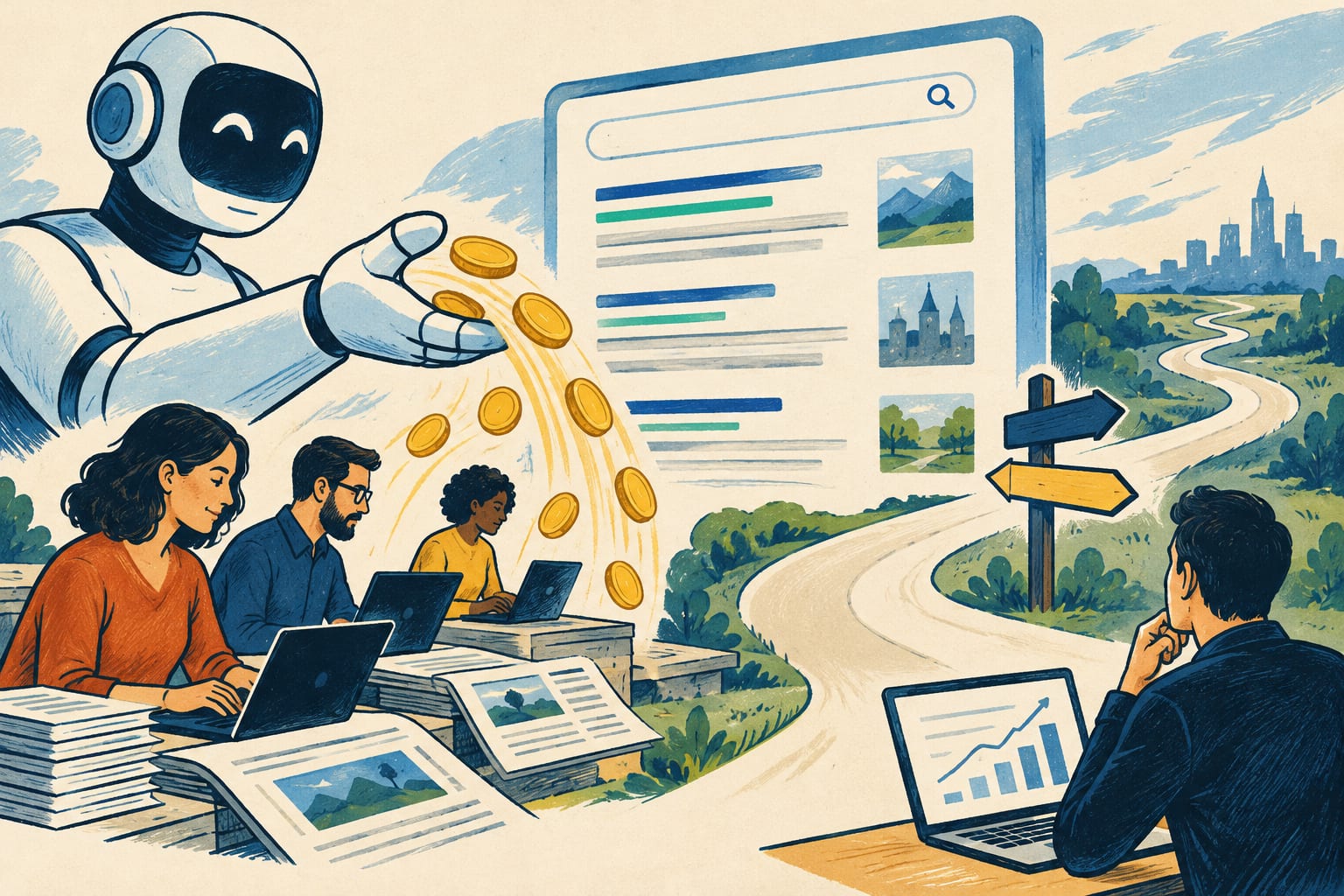
Google is reportedly moving toward a system of paying publishers for the content its AI tools draw on, a shift that outlets covering the story say could upend the way search engine optimization has worked for two decades. The framing, as laid out by Exchange4Media, is straightforward: if Google starts compensating publishers directly for the material its AI systems summarize and surface, the entire incentive structure that built the SEO industry has to change with it.
For years, the relationship between publishers and Google has run on a simple trade. Publishers optimize content to rank well in search results, Google sends traffic in return, and that traffic converts into ad revenue or subscriptions. AI Overviews and similar generative features have strained that bargain, because they often answer a user's question directly on the results page, reducing the need to click through to the original source. Publishers have complained for months that this costs them visits without any compensation for the content being used to generate those answers. A payment system, if it materializes the way this story suggests, would be Google's answer to that complaint.
The part most coverage will miss
What the headline itself signals, and what easy takes on this story tend to skip past, is the claim that this would "rewrite the SEO playbook," not just add a new revenue line for publishers. That is a bigger claim than "Google pays publishers." It implies the rules that determine visibility and value online would shift, not just the money. If payment becomes tied to how AI systems select and use content rather than how that content ranks in a traditional results list, then years of SEO practice built around keywords, backlinks and page structure start to matter less than whatever criteria determine inclusion in an AI answer. The summary doesn't specify what those criteria would be. That gap is the story.
Analysis (opinion)
This site's view, and the one our analyst keeps coming back to when a story like this breaks, is that the headline is doing more work than the facts behind it can currently support. Our analyst's instinct on stories like this is to ask what everyone else is skipping past in the rush to call something a turning point, and here it's the mechanism. "Could rewrite the SEO playbook" is a hedge, not a conclusion, and it's worth noticing that the coverage leans on that conditional phrasing rather than a confirmed policy. Publishers have wanted compensation for AI's use of their work for a long time, and Google has faced growing pressure, including regulatory attention in multiple markets, over how AI Overviews affect referral traffic. A payment mechanism would be a logical next step for Google to defuse that pressure without changing how AI answers are generated. But a payment system and a rewritten SEO playbook are not the same thing, and conflating them is exactly the kind of move that makes a modest policy shift sound like an industry-wide reset before anyone has seen the details.
The other side
Not everyone in the publishing world will treat a payment scheme as good news even if it arrives. Many publishers and media analysts have argued that direct payments, however welcome, do not solve the underlying problem of traffic loss, since compensation for content use is a different thing from compensation for lost clicks and lost ad impressions. If Google's AI answers keep users on its own platform rather than sending them to publisher sites, a payment plan could end up functioning as a buyout of traffic rather than a replacement for it, and some in the industry would rather have the clicks back than a check instead.
So the question worth sitting with is not whether Google pays publishers. It's what exactly triggers the payment, how it's calculated, and whether it comes with any guarantee that traffic and visibility keep flowing the way they used to. Until those details surface, "rewrite the SEO playbook" is a headline doing the work that a policy document hasn't done yet, and anyone running a content business would be wise to watch for the specifics before changing strategy.
As Google’s AI publisher payments reshape search visibility, publishers may need to rethink how they prioritize seo relevant keywords backlinks in their content strategy.
Source: Exchange4Media
Our last article on this: AI Image Filters Fail One In Eight Times, And The Newest Models Are Worse