Google Play Ignites Mobile Esports with Free Fire League
Note: This post may contain affiliate links, and we may earn a commission (with No additional cost for you) if you make a purchase via our link. See our disclosure for more info.

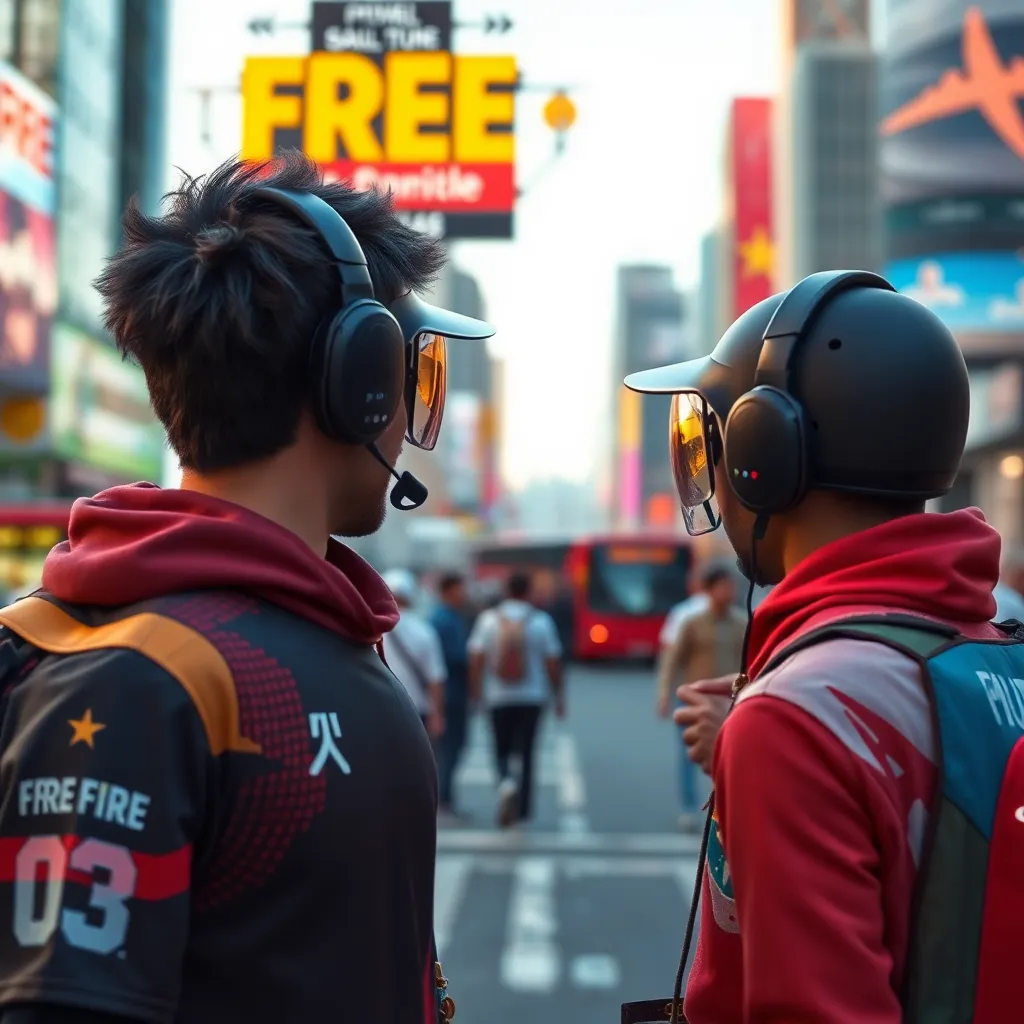
The landscape of mobile gaming is evolving rapidly, with Google Play at the forefront of fostering competitive communities. Following significant updates to Google Play Games announced in September, which included a clear vision for integrated gaming leagues, the platform is now expanding its commitment to esports. This initiative began with the successful launch of the Subway Surfers League in collaboration with SYBO Games, setting a precedent for structured competitive play directly within the Google Play ecosystem. Today marks another pivotal moment with the highly anticipated commencement of the Free Fire League on Google Play.
These Google Play Leagues are fundamentally defined as official, platform-supported competitive circuits designed to elevate mobile gaming into a more structured and engaging esports experience. They aim to provide a robust framework for players to compete, track their progress, and earn recognition within their favorite titles. The overarching goal is to transform popular mobile games into thriving competitive environments, complete with leaderboards, seasonal challenges, and potentially in-game rewards tied to league performance.
The benefits of such leagues are multifaceted. For players, they offer a clear path to competitive glory, enhanced engagement, and a sense of community, potentially leading to professional opportunities in mobile esports. Developers, like Garena for Free Fire, gain significant advantages through increased player retention, extended game lifecycles, and new monetization avenues within the competitive framework. Google Play itself benefits from a stronger gaming ecosystem, attracting and retaining users by providing unique, high-quality competitive content.
However, introducing large-scale competitive leagues also carries inherent risks. Maintaining competitive integrity is paramount, requiring robust anti-cheat measures and fair play policies to prevent issues like hacking or account sharing. There's also the challenge of balancing accessibility for casual players with the demands of hardcore competitors, ensuring the league structure doesn't alienate a significant portion of the player base. Potential risks include player burnout from intense competition, managing community toxicity, and ensuring equitable participation across diverse regions and skill levels. The success of the Free Fire League will depend heavily on addressing these challenges while building on the foundation laid by previous initiatives like the Subway Surfers League, promising an exciting new chapter for mobile esports on Google Play.
(Source: https://blog.google/feed/free-fire-league/)