Google Maps Evolves with AI: Ask & Immersive Navigation
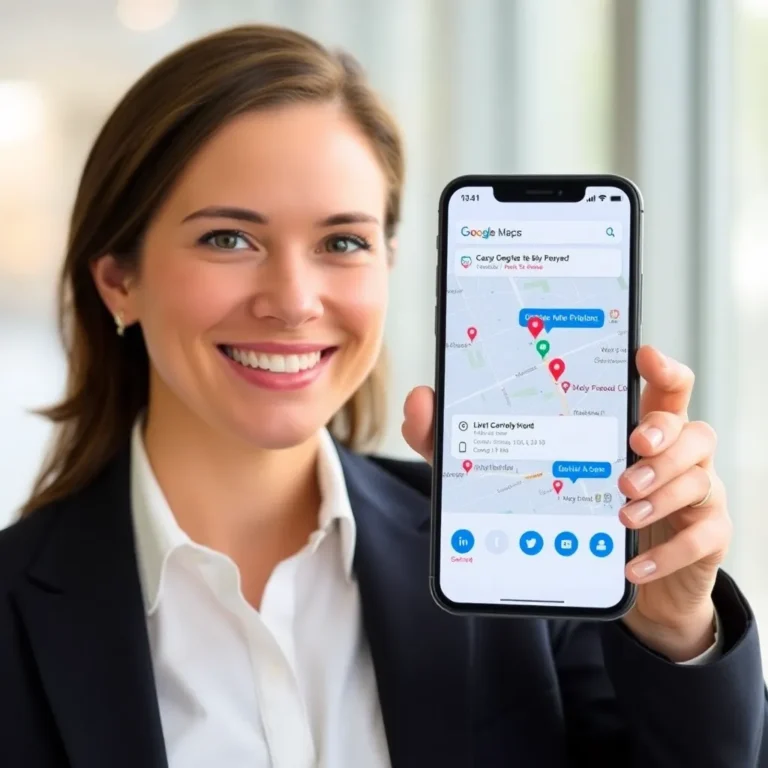
Google Maps is undergoing a significant transformation with the introduction of two innovative AI-powered features: Ask Maps and Immersive Navigation, signaling a reimagining of how users interact with mapping technology. Ask Maps leverages advanced artificial intelligence to provide a more natural, conversational interface for querying the vast trove of information within Google Maps. Instead of traditional keyword searches, users can pose complex, natural language questions, such as “Find me a highly-rated vegan restaurant with outdoor seating in a quiet neighborhood,” or “What are some interesting historical landmarks nearby that are accessible by public transport?” This capability aims to offer highly personalized and context-aware recommendations, significantly enhancing the planning and discovery phases of travel. The primary benefit lies in its intuitive accessibility, allowing users to articulate nuanced needs and receive tailored suggestions, making exploration more efficient and enjoyable.
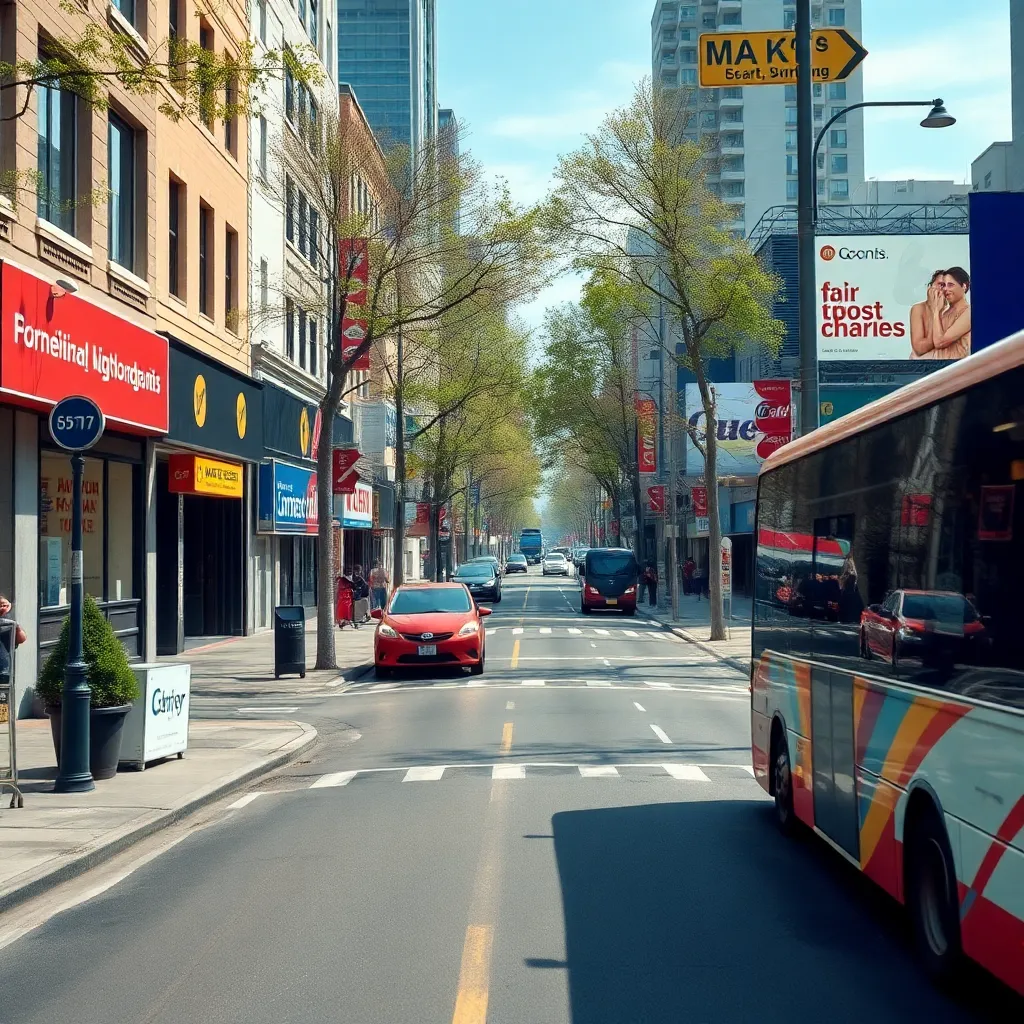
Concurrently, Immersive Navigation introduces a richer, more detailed wayfinding experience. This feature goes beyond traditional 2D maps and turn-by-turn instructions, potentially offering a visually enhanced environment that integrates real-world imagery with digital overlays. Users might experience highly detailed street views, 3D representations of buildings, and augmented reality cues that guide them through complex intersections or unfamiliar areas with unprecedented clarity. The advantages include reduced cognitive load for drivers and pedestrians, improved spatial awareness, and enhanced safety by providing a clearer understanding of the immediate surroundings, particularly in challenging urban landscapes.
While these innovations promise substantial benefits in convenience and user experience, potential risks warrant consideration. The reliance on extensive data collection for personalization raises privacy concerns regarding user location history and preferences. Accuracy remains crucial; errors in AI interpretation for Ask Maps or visual overlays for Immersive Navigation could lead to frustration or safety hazards. There’s also the risk of over-reliance on AI, potentially diminishing users’ own navigational skills. Furthermore, the advanced processing required for immersive experiences might demand newer devices and robust connectivity, potentially exacerbating the digital divide for users with older technology or limited internet access. These features represent a leap forward in mapping, aiming to make navigation more intelligent, personalized, and intuitive.
(Source: https://blog.google/products-and-platforms/products/maps/ask-maps-immersive-navigation/)