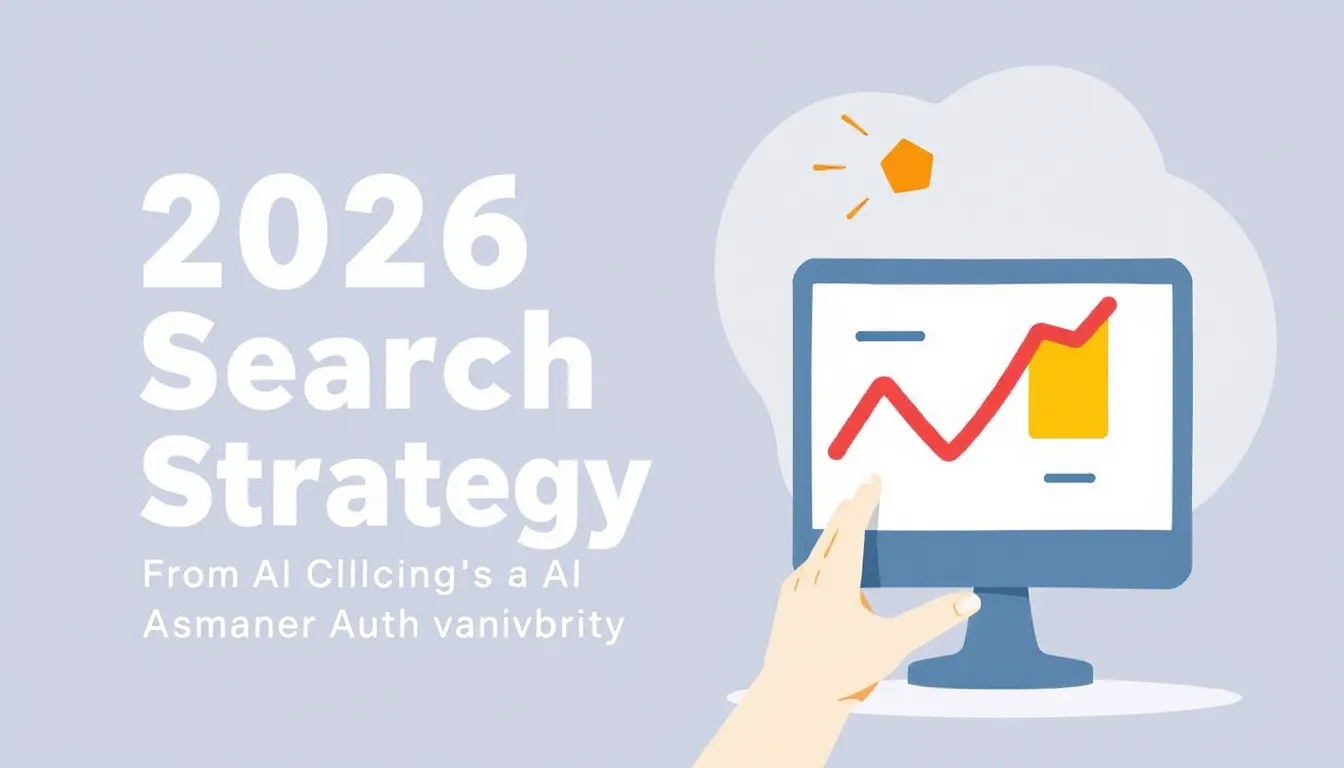
2026 Search Strategy: From Paid Clicks to AI Answer Authority
The End of Click-Based Marketing
The traditional search landscape is experiencing a seismic shift as artificial intelligence fundamentally changes how users find information. Click-through rates are plummeting as AI systems increasingly provide direct answers without requiring users to visit websites. Recent data reveals that when AI overviews appear in search results, traditional top-ranking pages see click-through rates drop by nearly 60%. This transformation means businesses can no longer rely solely on paid advertising and traffic acquisition strategies that worked in the past. Companies spending heavily on paid search are essentially renting temporary visibility rather than building lasting digital assets. The smart money is moving toward creating content that AI systems can trust, cite, and include in their responses. This shift represents more than a tactical adjustment – it’s a fundamental reimagining of how brands establish authority and generate leads in an AI-driven search environment.
Building Answer Equity Through Strategic Content
Modern content strategy requires what experts call an ‘atomic sandwich’ structure – a framework designed to maximize AI extraction and citation potential. This approach focuses on creating dense, factual content that AI systems can easily parse and reference. The top layer establishes clear, atomic facts that machines can quickly identify and extract. The middle section provides forensic proof through data, research, and authoritative sources that validate these claims. The bottom layer includes structural directives that guide both human readers and AI systems toward desired actions. Many forward-thinking businesses are implementing WordPress auto post systems and SaaS automatic content posting tools to maintain consistent output of this structured content. By focusing on answer density rather than traffic volume, organizations build sustainable digital assets that continue generating value long after publication. This approach transforms content from an expense into an appreciating asset that compounds over time.
Breaking Free from the Paid Search Dependency Cycle
Organizations often find themselves trapped in what researchers identify as a ‘search addiction cycle’ – continuously increasing paid search spending to compensate for declining organic performance. Stage one typically involves early paid search success that creates overconfidence in traffic-based metrics. Stage two sees companies increasing budgets as competition intensifies and costs rise, rather than addressing foundational content issues. The final stage involves paying premium prices for what AI systems can now deliver instantly through zero-click searches. Companies implementing post content automation strategies are discovering they can gradually reduce their dependency on expensive paid placements. AI tools integration allows businesses to create comprehensive content libraries that establish topical authority across their industry. Rather than competing for every impression, successful organizations are engineering comprehensive answers that AI systems consistently reference. This transition requires patience and strategic thinking, but ultimately delivers higher margins and more predictable lead generation than traditional paid search approaches.
Source: From paid clicks to answer equity: Your new 2026 search strategy