ChromeOS Powers Next-Gen Classroom Collaboration
Note: This post may contain affiliate links, and we may earn a commission (with No additional cost for you) if you make a purchase via our link. See our disclosure for more info.

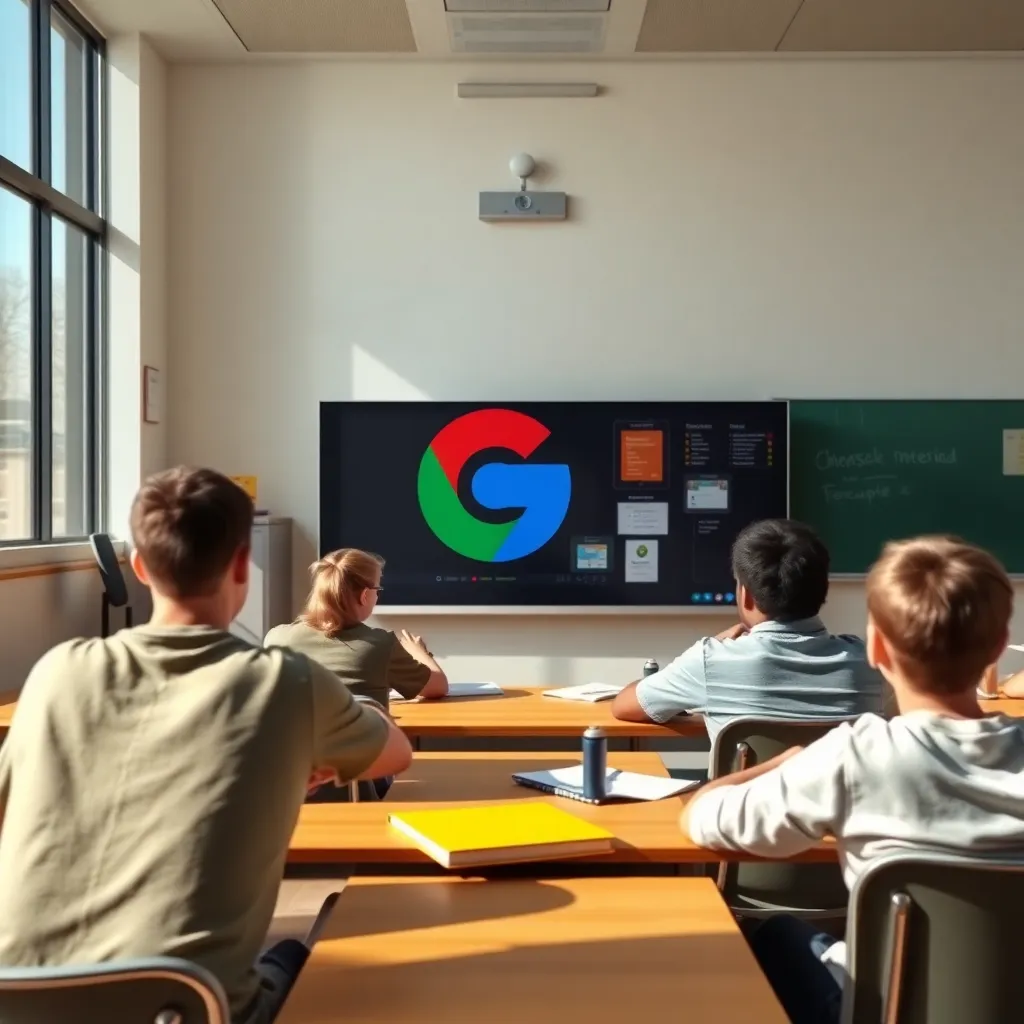
The core initiative outlined focuses on a strategic overhaul of educational environments, aiming to significantly enhance student engagement and collaboration through the deployment of advanced ChromeOS tools. At the forefront of this modernization drive are AI-powered Chromebooks, which represent a significant technological leap. These devices are poised to integrate artificial intelligence directly into the daily learning experience, offering students and educators innovative functionalities that can personalize learning pathways, automate routine tasks, and provide intelligent assistance. This integration is designed to empower students with tools that facilitate deeper understanding and more efficient knowledge acquisition, fundamentally redefining how classroom activities are conducted.
A pivotal component of this ecosystem is the forthcoming integration of Gemini within the Chrome browser. This development suggests that students will have direct access to a sophisticated AI assistant capable of supporting a multitude of academic endeavors, from aiding in complex problem-solving and research to fostering creative content generation and providing instant feedback. The presence of Gemini is expected to transform the browser from a mere information access point into a dynamic, interactive learning companion, further enabling new dimensions of personalized learning and support for individual student needs.
Beyond hardware and AI integration, the initiative also introduces powerful new Class tools features. These dedicated tools are specifically engineered to unlock novel methods of student interaction and group dynamics. They aim to break down traditional barriers to collaboration, facilitating seamless group projects, shared document editing, and real-time communication among peers and with teachers. The objective is to cultivate a classroom atmosphere where students are not just passive recipients of information but active participants in their learning journey, engaging in meaningful collaborative work that develops essential 21st-century skills. While the specific risks associated with these new technologies are not detailed in the provided text, the clear benefits revolve around creating a more dynamic, interactive, and technologically advanced learning environment that prepares students for a future driven by AI and collaborative innovation. The examples provided are precisely the AI-powered Chromebooks, Gemini in Chrome, and the new suite of powerful Class tools, all working in concert to modernize educational practices.
(Source: https://blog.google/products-and-platforms/products/education/chromeos-chromebooks-bett-2026/)