AI Search Pipeline: 10 Gates That Make or Break Content Visibility
Understanding the Multiplicative Nature of AI Search
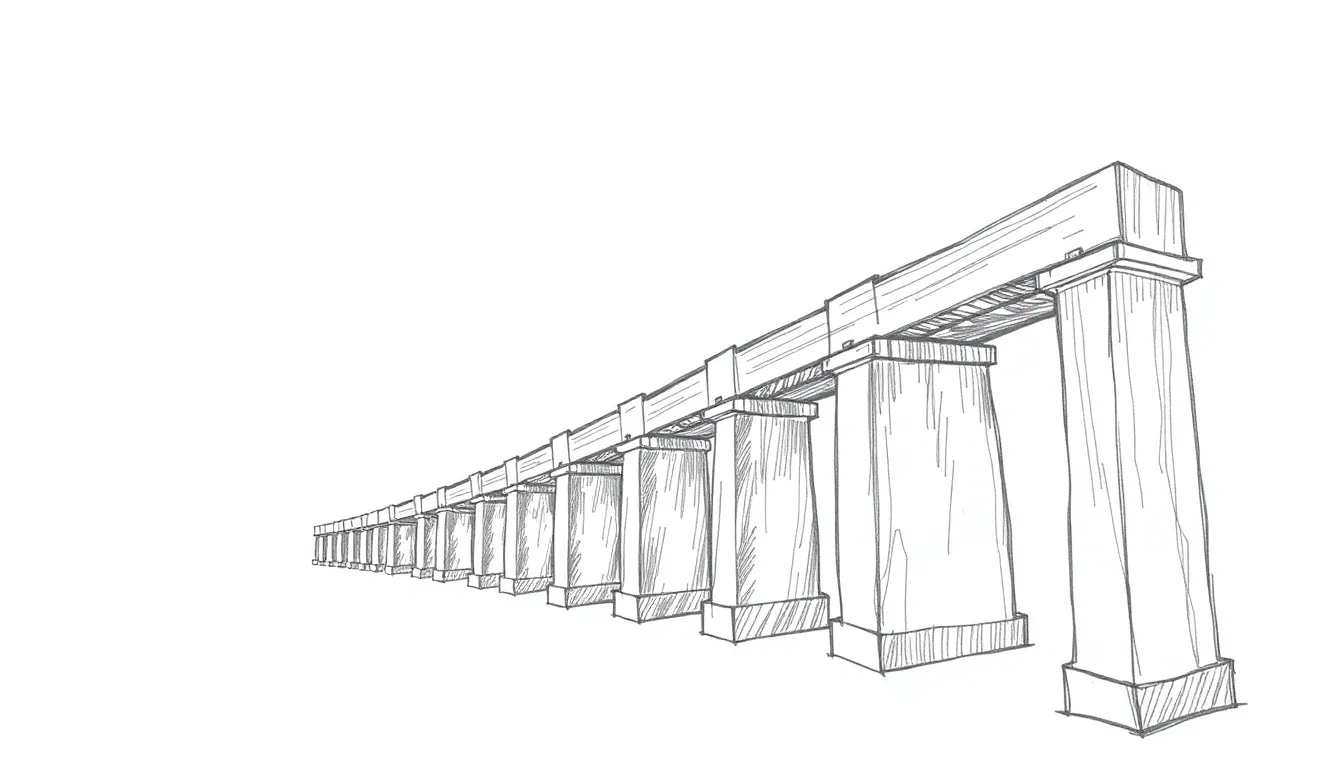
Modern AI search engines operate through a complex 10-gate pipeline that determines whether your content gets discovered, indexed, and ultimately recommended to users. This system functions as a multiplicative chain where weakness at any single point can dramatically reduce overall performance. The ten gates include discovery, selection, crawling, rendering, indexing, annotation, recruitment, grounding, display, and winning the final recommendation. What makes this system particularly challenging is that confidence scores multiply across each gate, meaning your weakest link determines your ceiling. This principle, known as the ‘Straight C’ rule, suggests it’s better to have consistent moderate performance across all gates than to excel in some areas while failing catastrophically in others. For content creators using WordPress auto post systems or SaaS automatic content posting solutions, understanding this pipeline becomes crucial for optimizing their automated workflows and ensuring consistent visibility across all published content.
The Two-Phase Structure: Infrastructure vs Competition
The AI search pipeline operates in two distinct phases with different optimization strategies. Phase One encompasses gates one through five (discovery through indexing) and focuses on technical infrastructure. This phase operates on a pass-fail basis where either the system has your content or it doesn’t. Success here depends on mechanical fixes like proper sitemaps, structured data implementation, clean rendering, and strong quality signals. These technical elements are well-documented and relatively straightforward to address through systematic improvements. Phase Two covers gates six through ten (annotation through winning) and centers on competitive algorithm-based evaluation. Here, your content faces direct comparison against every alternative the system considers relevant for user queries. Success in Phase Two requires strategic positioning, brand narrative development, and comprehensive digital footprint management. Many organizations make the mistake of over-investing in Phase One technical fixes while neglecting the competitive positioning work that determines whether their content actually gets recommended to users seeking their expertise or services.
Diagnostic Strategies and Optimization Priorities
Effective pipeline optimization requires systematic identification of weak gates and strategic prioritization of improvements. Your diagnostic approach should focus on finding F-grade performance areas first, then addressing D-grade issues, and only afterwards optimizing better-performing gates from C to A level. Infrastructure fixes in the first phase tend to be specific, technical, and often binary in nature, while competitive fixes require broader strategic work around graph presence, proof connections, and narrative positioning. The challenge intensifies when dealing with post content automation systems, as automated publishing can create bottlenecks at multiple gates simultaneously if not properly configured. Success also depends on your level of control: first-party properties offer complete optimization freedom, second-party platforms limit you to content control, and third-party properties restrict you to outreach and strategic linking. By the final ‘won’ gate, the algorithm has either understood your brand narrative or it hasn’t, determining whether your titles and descriptions appear as intended or get rewritten by the system, potentially losing clients you should have captured.
Source: The 10-gate AI search pipeline: Find where your content fails