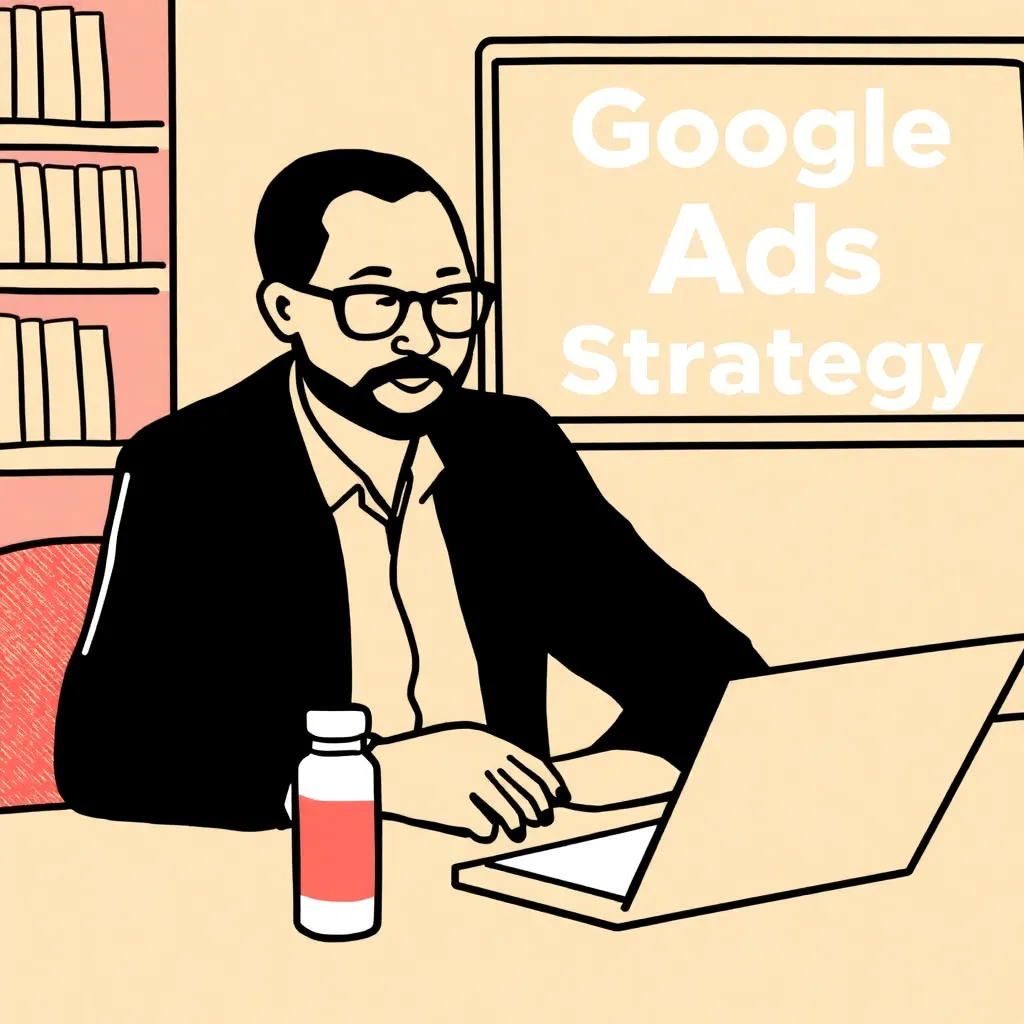
Google Ads Strategy: Why DTC Brands Struggle with Campaign Structure
The Meta vs Google Advertising Paradigm Shift
Direct-to-consumer brands often struggle when transitioning from Meta to Google Ads because they apply successful Facebook strategies to a fundamentally different platform. While Meta thrives on interest-based targeting with consolidated budgets and broad audiences, Google operates on active search intent. This crucial difference means that the consolidated approach that works brilliantly on Meta creates noise rather than signal on Google. Many ecommerce brands make the mistake of treating Google like Meta, consolidating their entire product line into single Performance Max campaigns. However, this approach fails to leverage Google’s strength in capturing explicit, real-time search intent from users actively looking for specific products or solutions.
Why Campaign Structure Determines Google Ads Success
Google Ads campaign structure carries more weight than on other advertising platforms because every search query represents explicit user intent. Unlike demographic targeting or interest categories, search queries provide direct insight into what users want right now. This real-time signal forms the foundation of Google’s Smart Bidding, query matching, and auction systems. Poor campaign structure prevents algorithms from learning efficiently by spreading budgets across queries with different intent levels. Additionally, treating products with varying margins, order values, and conversion rates equally prevents optimal budget allocation. Modern SaaS content automation tools and WordPress auto post systems help marketers manage these complex structures more efficiently, enabling better campaign organization and performance tracking.
Common Mistakes That Drain Google Ads Budgets
The biggest mistake DTC brands make is launching multiple campaign types simultaneously without sufficient budget allocation. When brands split limited budgets across Search, Shopping, Performance Max, and YouTube campaigns, none receive enough volume for effective machine learning. This creates a situation where accounts run but don’t improve, starving Google’s algorithms of necessary conversion data. Smart marketers using post content automation strategies focus on one or two campaign types initially, allowing sufficient data collection before expansion. Another critical error is ignoring the economic differences between products – treating high-margin items the same as low-margin ones leads to suboptimal returns. Successful Google Ads management requires patience, proper segmentation, and understanding that Google’s intent-based system requires different structural approaches than interest-based platforms.
Source: Winning Google Ads Campaign Structures For DTC Ecommerce