Physical AI & Robotics Dominate CES 2026 Innovations
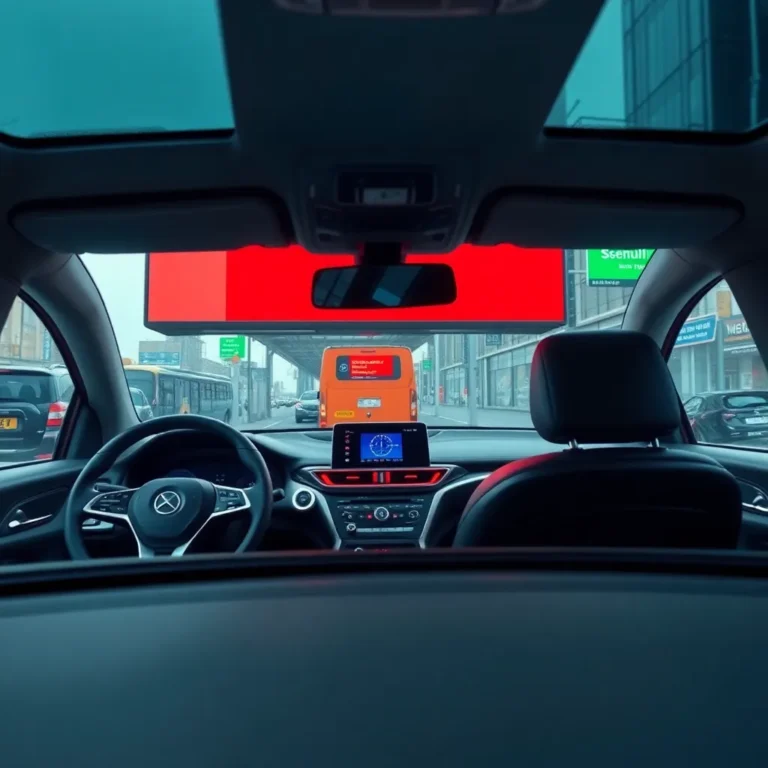
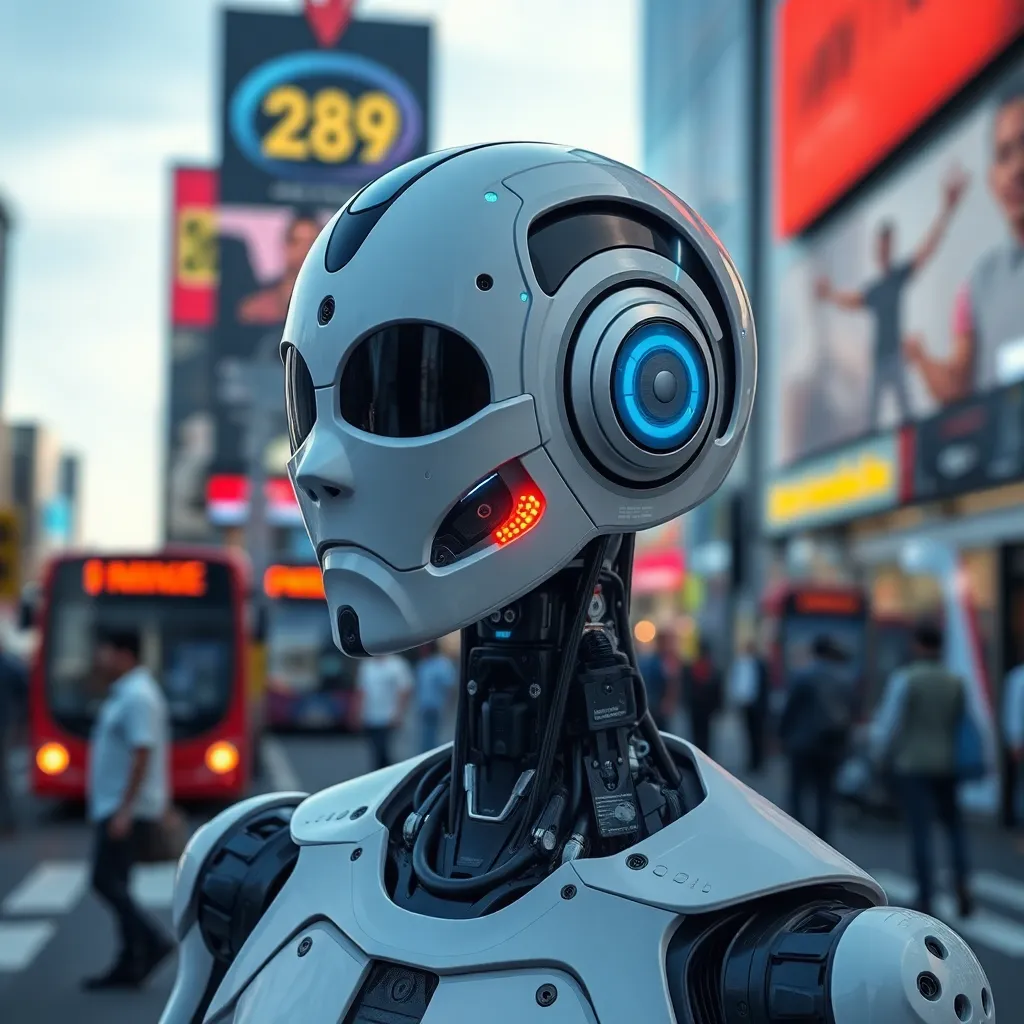
The Consumer Electronics Show (CES) 2026 marked a pivotal moment for artificial intelligence, signaling a definitive shift from its traditional screen-based forms like chatbots and image generators to tangible, real-world applications. The event was overwhelmingly dominated by “physical AI” and advanced robotics, showcasing AI’s embodiment in physical devices capable of interacting with and manipulating their environment. This new frontier of AI was exemplified by innovations ranging from Boston Dynamics’ significantly redesigned Atlas humanoid robot, demonstrating advanced mobility and dexterity, to more consumer-centric applications like AI-powered ice makers, highlighting the integration of intelligent systems into everyday appliances. This widespread presence indicated a clear industry drive to bring AI directly into consumers’ homes and workplaces, transforming how people interact with technology and their surroundings.
The emergence of physical AI promises substantial benefits across various sectors. In industrial settings, advanced robotics can enhance automation, boost efficiency, and improve safety by performing hazardous or repetitive tasks. For consumers, physical AI offers the potential for unprecedented convenience and personalized assistance, from smart home devices that anticipate needs to robotic companions that aid in daily routines. These intelligent physical systems can optimize resource management, provide assistive technologies for individuals with disabilities, and even revolutionize fields like logistics, healthcare, and exploration by enabling robots to operate autonomously in complex environments. The goal is to create a more seamless and intuitive interaction between humans and technology, making daily life more efficient and comfortable.
However, this transformative leap also introduces a unique set of risks and challenges that demand careful consideration. Ethical concerns surrounding the autonomy and decision-making capabilities of physical AI systems are paramount, particularly as they gain greater independence in real-world scenarios. There are significant worries about job displacement as robots become more capable of performing tasks traditionally done by humans. Data privacy and security become even more critical when physical devices collect and process information about our physical spaces and behaviors. Additionally, the potential for malfunctions, accidents, or misuse of advanced robotics poses physical safety risks. Ensuring the responsible development and deployment of physical AI, alongside robust regulatory frameworks, will be crucial to harnessing its potential while mitigating its inherent dangers, as the industry pushes for widespread consumer adoption.
(Source: https://techcrunch.com/podcast/ces-2026-was-all-about-physical-ai-and-robots-robots-robots/)