
Beyond the iPhone: Envisioning Future Personal Tech
Note: This post may contain affiliate links, and we may earn a commission (with No additional cost for you) if you make a purchase via our link. See our disclosure for more info.

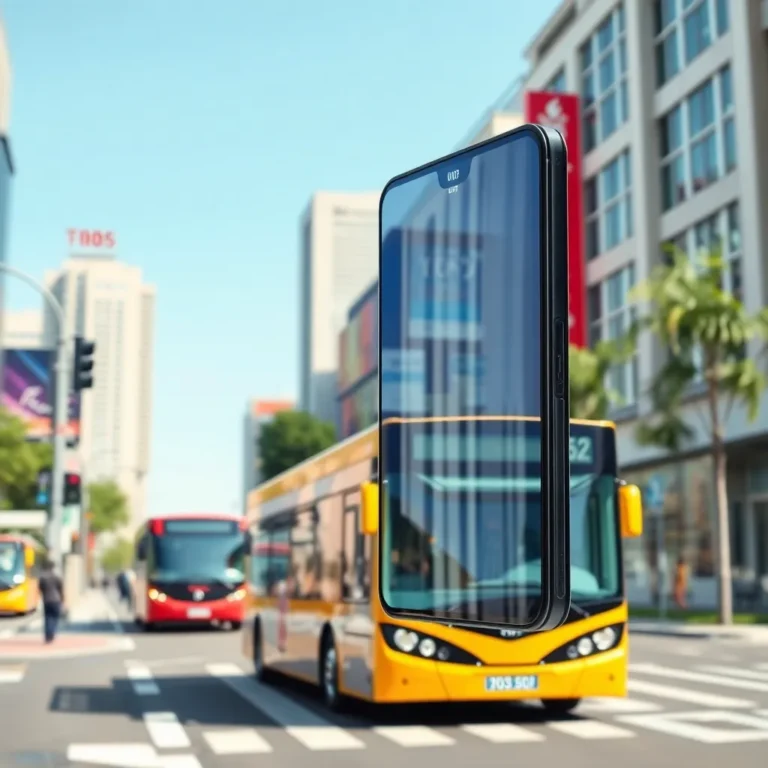
The notion that the ubiquitous iPhone, and by extension, the smartphone as we know it, will be obsolete within the next five to ten years, as flatly stated by Callaghan, marks a significant turning point in personal technology. This bold prediction initiates a critical discussion about the definition of our next primary personal computing device. It suggests a move away from the current screen-centric, handheld form factor towards something more integrated, ambient, and perhaps even invisible, fundamentally redefining human-technology interaction. The “phone is dead” mantra doesn't imply a lack of communication or connectivity, but rather a profound metamorphosis into a new paradigm.
The benefits of such a post-smartphone era could be transformative. Future devices are envisioned to offer truly seamless integration into daily life, moving beyond the need to constantly pull out a device. This could manifest as advanced augmented reality (AR) glasses that overlay digital information onto the real world, intelligent ambient computing systems embedded in our environments, or even more direct neural interfaces. These innovations promise reduced screen time, more intuitive interactions, proactive AI assistance, and a more natural blend of our physical and digital realities, enhancing productivity and personal well-being without constant distraction.
However, this technological leap is not without its considerable risks. The shift towards more pervasive and integrated computing raises profound privacy concerns, as personal data collection could become even more extensive and continuous. Security vulnerabilities in highly integrated systems could have far-reaching consequences, impacting personal safety and infrastructure. Ethical dilemmas surrounding AI autonomy, potential algorithmic bias, and the deepening digital divide are also critical considerations. Over-reliance on ever-present AI could diminish critical thinking or human agency, demanding careful societal and regulatory frameworks.
Ultimately, the impending obsolescence of the smartphone, as foreshadowed by Callaghan, signals a powerful evolution in our relationship with technology. While specific examples of its successor—whether sophisticated wearables, advanced AR/VR platforms, or entirely new interfaces—remain speculative, the underlying trend points towards deeply personalized, context-aware, and seamlessly integrated computing experiences. Navigating this transition successfully will require addressing the complex interplay of innovation, user experience, and robust ethical safeguards to ensure a future that truly empowers.
(Source: https://techcrunch.com/2025/12/30/the-phone-is-dead-long-live-what-exactly/)