AI’s Practical Evolution: From Hype to Real-World Impact in 2026
In 2026, the artificial intelligence landscape is poised for a significant transformation, moving decisively from speculative hype to pragmatic application. This shift will be characterized by several key advancements shaping the industry. We can anticipate the emergence of novel AI architectures, leading to more efficient and specialized systems capable of tackling diverse challenges with greater precision.
A crucial development will be the proliferation of smaller, more compact AI models. These models offer substantial benefits, including reduced computational overhead, faster processing speeds, and the ability to deploy AI capabilities on edge devices, making intelligent systems more accessible and cost-effective across various sectors. Concurrently, the industry will see the maturation of “world models” – AI systems designed to build sophisticated internal representations of environments, enabling them to predict outcomes, plan complex actions, and engage with the physical world in a more intelligent and anticipatory manner.
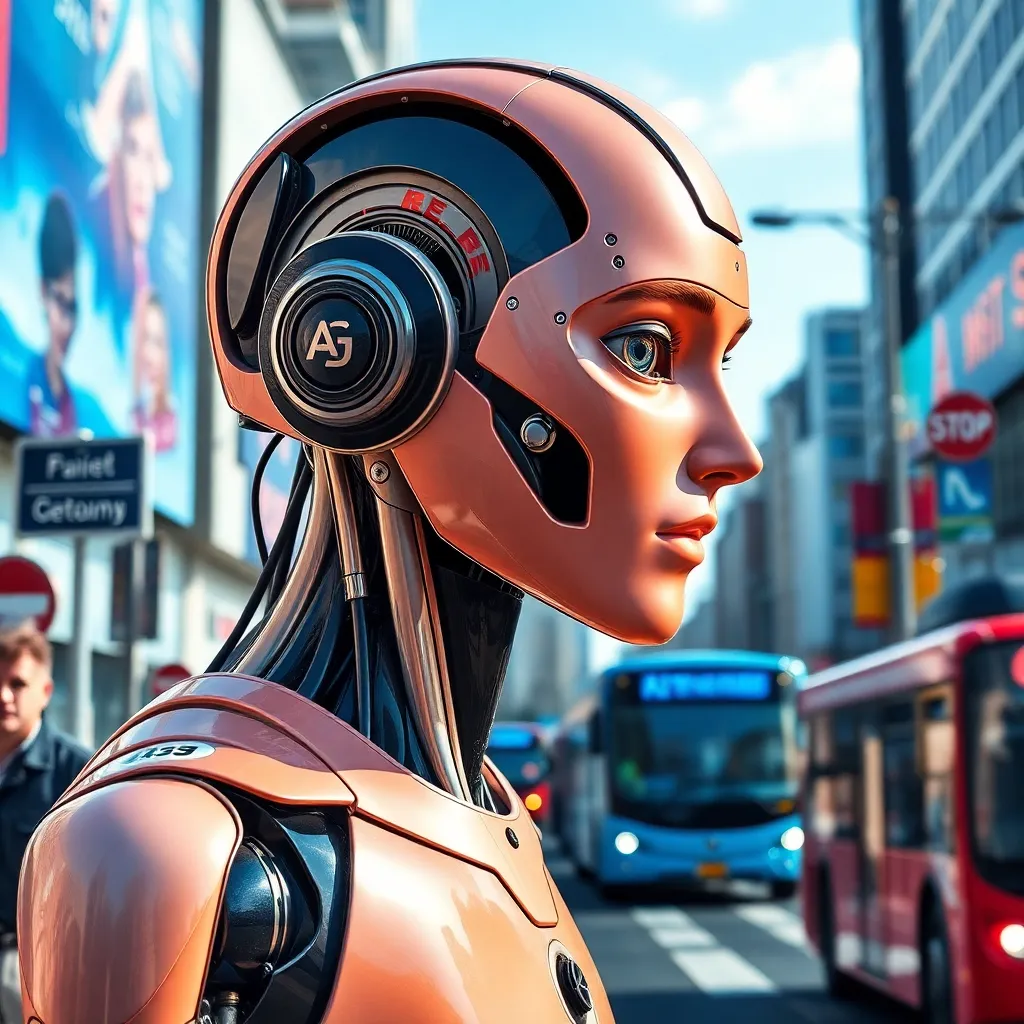
The drive towards pragmatism also means the development of highly reliable AI agents. These autonomous systems will operate with increased consistency and trustworthiness, minimizing the need for constant human oversight and expanding their utility in critical applications, from industrial automation to advanced personal assistance. A significant part of this evolution involves “physical AI,” where artificial intelligence is seamlessly integrated into robotics and other physical systems. This integration will empower intelligent machines to interact with and manipulate the real world more effectively, leading to innovations in manufacturing, logistics, and even healthcare.
Ultimately, the focus for 2026 will be on delivering AI products specifically engineered for real-world use. This signifies a pivot from theoretical research to tangible solutions that address practical problems for businesses and consumers alike. While the provided source text emphasizes these positive advancements, it does not detail specific risks associated with this progression, instead highlighting a future where AI’s utility and practical impact become paramount.
(Source: https://techcrunch.com/2026/01/02/in-2026-ai-will-move-from-hype-to-pragmatism/)